Initially, I had a single threshold but then I did some testing of the opto isolated relays I was using originally to see the hysteresis. They turned on way below their specified minimum voltage (at about 8 volts) and went off at about 5 volts. I thought the low on threshold and narrow hysterisis might cause reliability issues. We figured that by adding more hysteresis would be desirable and maybe prevent false triggering. But the intent was always to provide the ability to adjust the sensitivity by changing the voltage threshold to suit different environments.
The original experiment was based on a premise by PCW that the THCAD might be able to measure the resistance in the circuit. Which it does becasue we can see the voltage change as contact is made.
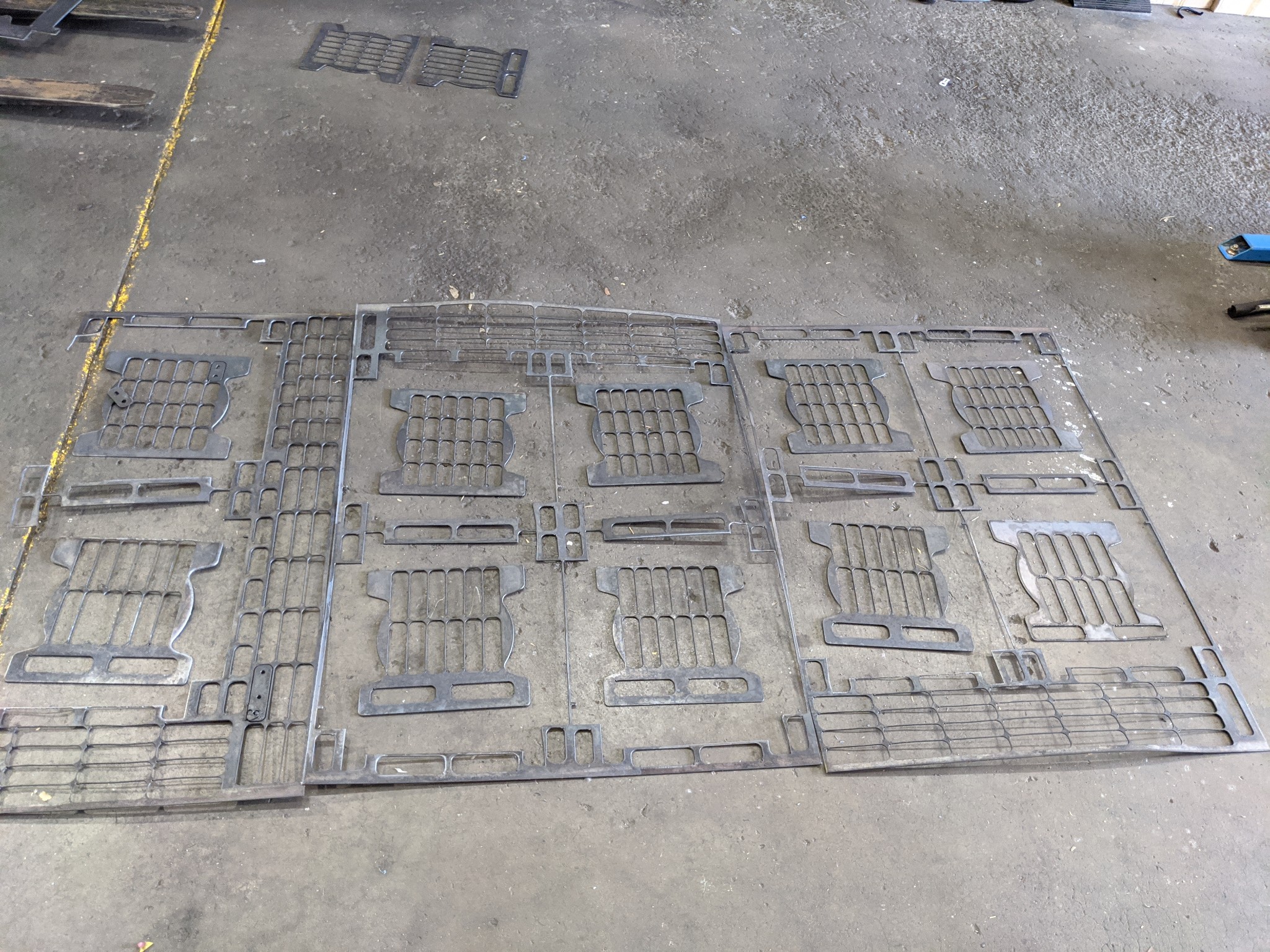
For the record, using the high values to deal with the water table proved very reliable. There is well over 1500 pierces here I did last week.
The biggest issue I had was warpage forcing a probe fault as the plate was above probe height but Phill has shared a revised plasmac.comp with a changed algorithm to deal with this.
So now we have had some success, I will revise the component and the docs when I get a chance.